

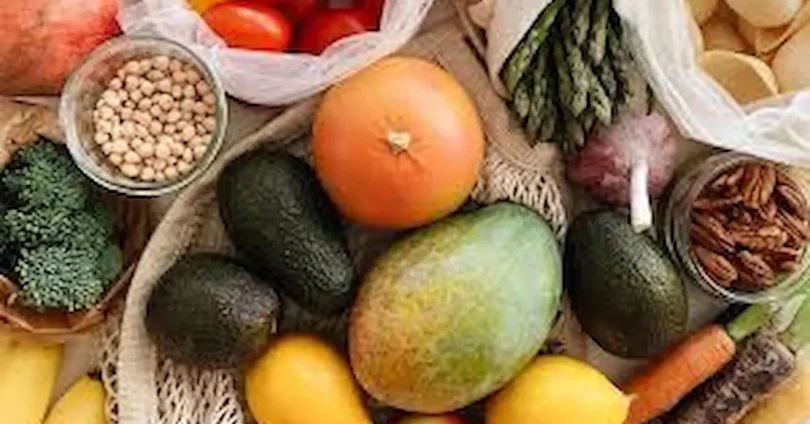

Daily nutrition tips for more energy are essential for anyone who wants to feel active and alert throughout the day. Many people rely on coffee or sugary snacks to get through fatigue, but the right foods and eating habits can naturally boost your energy levels.
This article will share simple and practical daily nutrition tips for more energy that are easy to follow. By making small changes to your meals and snacks, you can stay energized, focused, and productive from morning to night.
Start Your Day with a Healthy Breakfast
Daily nutrition tips for more energy often begin with breakfast. Eating a healthy breakfast is essential because it provides the first fuel your body needs after a long night without food. A balanced breakfast helps kickstart your metabolism, improves focus, and prevents mid-morning fatigue.
Focus on including a combination of complex carbohydrates, protein, and fruits or vegetables. Complex carbohydrates, like oats, whole-grain bread, or quinoa, release energy slowly and keep you feeling full longer. Protein sources such as eggs, yogurt, cottage cheese, or nuts support muscle health and help maintain steady energy. Fruits like bananas, berries, or apples add natural sugars, fiber, and essential vitamins that give a gentle energy boost.
Here are some healthy breakfast ideas to boost your energy:
- A bowl of oatmeal topped with sliced bananas and a handful of almonds.
- Whole-grain toast with avocado and poached eggs.
- Greek yogurt mixed with fresh berries and chia seeds.
- A smoothie with spinach, banana, protein powder, and almond milk.
Avoid skipping breakfast or relying on sugary cereals and pastries, as these can cause a quick spike in energy followed by a crash, leaving you more tired than before. Eating a nutritious breakfast sets a strong foundation for your energy throughout the day and supports better concentration and mood. Daily nutrition tips for more energy
Stay Hydrated Throughout the Day

Proper hydration is one of the most important daily nutrition tips for more energy. Water is essential for almost every function in the body, including digestion, circulation, temperature regulation, and nutrient transport. Even mild dehydration can leave you feeling tired, sluggish, and unable to focus. Daily nutrition tips for more energy
How Much Water Should You Drink?
A good rule of thumb is to aim for at least eight glasses of water per day. However, your needs may vary depending on your activity level, climate, and body size. Keeping a water bottle nearby and sipping regularly can help you meet your hydration goals without having to think about it constantly. Daily nutrition tips for more energy
Include Water-Rich Foods
In addition to drinking water, you can increase hydration through water-rich foods. Fruits and vegetables such as cucumbers, watermelon, oranges, strawberries, and lettuce contain high amounts of water that help keep your body hydrated and energized. These foods also provide essential vitamins and minerals that support overall health. Daily nutrition tips for more energy
Be Mindful of Dehydrating Drinks
Some beverages can actually reduce your energy by causing dehydration. Limit excessive caffeine from coffee, tea, or energy drinks, as well as sugary sodas. These can lead to energy spikes followed by crashes. Instead, opt for herbal teas, coconut water, or water infused with lemon, mint, or berries, which are refreshing and hydrating while giving a gentle energy boost. Daily nutrition tips for more energy
Benefits of Staying Hydrated
Staying hydrated has several benefits beyond just feeling less tired. It improves concentration, supports digestion, helps regulate body temperature, and allows your body to convert food into energy more efficiently. Making hydration a habit throughout the day is an easy and effective way to maintain consistent energy levels. Daily nutrition tips for more energy
you may also like to read these posts;
Affordable Smart Gadgets for Home Use That Save Time & Money
Using ChatGPT for Study: A Complete Step-by-Step Guide
Best Free Task Management Software to Boost Productivity
Mobile Apps to Improve Focus and Time Management Easily
Best Home Workout Apps for Beginners to Start Today
Choose Energy-Boosting Snacks
Snacking wisely is a key part of daily nutrition tips for more energy. Eating the right foods between meals can prevent sudden drops in energy, reduce unhealthy cravings, and help you stay focused and productive throughout the day. Daily nutrition tips for more energy
Best Snacks for Sustained Energy
To keep your energy steady, choose snacks that combine protein, healthy fats, and complex carbohydrates. These nutrients release energy slowly and keep you feeling full for longer. Some excellent options include:
- Nuts and seeds: Almonds, walnuts, cashews, and sunflower seeds are rich in protein and healthy fats.
- Fresh fruits: Apples, berries, oranges, and pears provide natural sugars, fiber, and essential vitamins.
- Yogurt and dairy: Greek yogurt or cottage cheese with chia seeds or granola adds protein and probiotics for digestive health. Daily nutrition tips for more energy
- Whole-grain options: Crackers or rice cakes with hummus, peanut butter, or avocado provide complex carbs and fats.
Snacks to Avoid
While it may be tempting to reach for sugary snacks or processed foods, these often lead to energy spikes followed by crashes. Candy, pastries, sugary drinks, and chips may give a quick burst of energy, but it is short-lived and can leave you feeling even more tired than before. Daily nutrition tips for more energy
Timing Your Snacks
Eating small, well-balanced snacks at regular intervals, roughly every 3–4 hours, helps maintain steady blood sugar levels. Some tips for timing your snacks include:
- Mid-morning snack: A handful of nuts with a piece of fruit to prevent fatigue before lunch. Daily nutrition tips for more energy
- Afternoon snack: Greek yogurt with berries or a small smoothie to avoid the mid-afternoon slump.
- Pre-workout snack: A banana with peanut butter or a granola bar provides energy for exercise.
Benefits of Smart Snacking
Smart snacking not only keeps your energy consistent but also supports healthy metabolism, reduces overeating at main meals, and improves focus. Choosing nutrient-dense snacks helps your body stay energized naturally and avoids the harmful effects of processed foods and excess sugar. Daily nutrition tips for more energy
Include Whole Grains and Lean Proteins
Including whole grains and lean proteins in your meals is an essential part of daily nutrition tips for more energy. These foods provide the building blocks your body needs to maintain steady energy levels throughout the day. Daily nutrition tips for more energy
Why Whole Grains Are Important
Whole grains, such as brown rice, quinoa, oats, and whole-wheat bread, release energy slowly because they are digested more gradually than refined grains. This slow release helps prevent sudden spikes and crashes in blood sugar, keeping you alert and energized for longer periods. Whole grains also contain fiber, which aids digestion and supports overall health. Daily nutrition tips for more energy
The Role of Lean Proteins
Lean proteins, such as chicken, fish, eggs, tofu, beans, and legumes, help repair tissues, support muscle health, and keep you feeling full. Protein also stabilizes blood sugar levels and prevents energy dips between meals. Including a source of protein in every meal is key to maintaining consistent energy. Daily nutrition tips for more energy
Combining Whole Grains and Proteins
For maximum energy benefits, combine whole grains and lean proteins in your meals. For example:
- Grilled chicken with quinoa and steamed vegetables
- Lentil soup with whole-grain bread
- Scrambled eggs with whole-grain toast and a side of avocado
- Brown rice with beans and roasted vegetables
Benefits of Balanced Meals
Meals that combine whole grains and lean proteins not only provide steady energy but also support focus, metabolism, and overall physical health. By choosing balanced meals, you avoid the fatigue and sluggishness caused by simple carbohydrates and highly processed foods. Daily nutrition tips for more energy
Don’t Forget Healthy Fats
Including healthy fats in your diet is an essential part of daily nutrition tips for more energy. Healthy fats provide long-lasting fuel for the body, support brain function, and help your body absorb essential vitamins that are crucial for overall health. Unlike simple carbohydrates that can cause energy spikes followed by crashes, healthy fats release energy gradually, keeping you energized throughout the day. Daily nutrition tips for more energy
Why Healthy Fats Are Important
Healthy fats play several vital roles in your body:
- They are a slow-burning source of energy that helps prevent fatigue.
- They support brain health and cognitive function, which improves focus and productivity.
- They aid in the absorption of fat-soluble vitamins such as A, D, E, and K.
- They contribute to hormone production and healthy skin, hair, and nails.
Without enough healthy fats, you may feel more tired, experience poor concentration, and even have trouble regulating mood. Daily nutrition tips for more energy
Best Sources of Healthy Fats
To get the most benefit, include a variety of nutrient-rich fats in your diet:
- Avocados: Rich in monounsaturated fats, fiber, and potassium, avocados help maintain steady energy and support heart health.
- Olive oil: A great option for cooking, drizzling over salads, or mixing into roasted vegetables.
- Fatty fish: Salmon, sardines, mackerel, and trout are excellent sources of omega-3 fatty acids, which support brain and heart health.
- Nuts and seeds: Almonds, walnuts, chia seeds, flaxseeds, and pumpkin seeds are perfect for snacks or meal toppings.
- Nut butters: Peanut butter, almond butter, or cashew butter can be paired with fruits or whole-grain bread for a satisfying, energy-boosting snack.
How to Include Healthy Fats in Your Daily Meals
Adding healthy fats to your diet doesn’t have to be complicated. Here are some practical tips:
- Add sliced avocado to your breakfast toast, omelets, or salads.
- Use olive oil instead of butter for cooking or as a salad dressing.
- Include fatty fish in your meals at least two to three times a week.
- Sprinkle nuts and seeds on yogurt, oatmeal, or salads. Daily nutrition tips for more energy
- Pair nut butter with fruits like apples or bananas for a quick snack.
Benefits of Healthy Fats for Energy
Healthy fats provide sustained energy that prevents mid-day slumps and keeps you feeling fuller for longer. They also support mental clarity, enhance mood, and improve nutrient absorption. By consciously including healthy fats in your meals, you can maintain consistent energy levels, support overall health, and feel more satisfied throughout the day. Daily nutrition tips for more energy
Limit Sugar and Processed Foods

Limiting sugar and processed foods is one of the most important daily nutrition tips for more energy. While sugary snacks, desserts, and processed foods may give a quick burst of energy, it is usually short-lived. Soon after, your blood sugar levels drop, leaving you feeling sluggish, tired, and less focused. Reducing these foods not only helps maintain energy but also supports long-term health. Daily nutrition tips for more energy
How Sugar and Processed Foods Affect Energy
Refined sugar and highly processed foods are digested quickly, causing rapid spikes in blood sugar. In response, the body releases insulin to lower blood sugar, which can result in sudden energy crashes. Regular consumption of these foods can also contribute to:
- Fatigue and low energy levels Daily nutrition tips for more energy
- Weight gain and increased risk of obesity
- Poor concentration and mood swings
- Long-term health issues like type 2 diabetes and heart disease
Common Foods to Avoid
To maintain steady energy, try to limit:
- Candy, chocolates, and sugary treats
- Cakes, pastries, and sweetened baked goods
- Sugary beverages such as sodas, energy drinks, and sweetened coffee drinks
- Packaged snacks with refined flours, trans fats, and artificial additives
Healthier Alternatives for Steady Energy
Replacing sugar and processed foods with natural and nutrient-rich options can help prevent energy crashes:
- Fresh fruits like apples, berries, oranges, and bananas provide natural sugar, fiber, and essential vitamins.
- Whole grains like oats, quinoa, and brown rice release energy slowly and keep you full longer.
- Nuts and seeds offer healthy fats, protein, and micronutrients that support sustained energy.
- Homemade energy snacks such as oatmeal energy balls made with dates, nuts, and seeds are both nutritious and satisfying.
Tips for Reducing Sugar Intake
- Gradually replace sugary drinks with water, herbal tea, or infused water. Daily nutrition tips for more energy
- Choose whole fruits instead of candies or desserts for a sweet craving. Daily nutrition tips for more energy
- Read labels and avoid foods high in added sugars and refined flours. Daily nutrition tips for more energy
- Pair carbohydrates with protein or healthy fats to slow sugar absorption and maintain energy.
Benefits of Reducing Sugar and Processed Foods
Cutting back on sugar and processed foods helps maintain consistent blood sugar levels, prevents energy crashes, and improves overall focus and mood. Your body will have a more reliable source of energy throughout the day, and you’ll feel more alert and productive. Reducing sugar is not about completely eliminating treats but about making smarter choices and creating balanced meals that sustain your energy naturally. Daily nutrition tips for more energy
Eat Smaller, Frequent Meals
Eating smaller, frequent meals is a highly effective strategy in daily nutrition tips for more energy. Large meals can often leave you feeling tired or sluggish because your body directs a lot of energy toward digestion. By eating smaller, balanced meals more frequently throughout the day, you provide your body with a steady supply of nutrients, which helps maintain consistent energy levels, improve focus, and prevent overeating.
How Smaller Meals Boost Energy
When you consume a large meal, your body needs to work harder to digest the food, which can temporarily divert energy away from other activities. This often leads to the “afternoon slump” or mid-day fatigue. Smaller, nutrient-dense meals help keep blood sugar levels stable, ensuring your energy remains steady. They also support a more active metabolism, helping your body use food more efficiently for fuel.
How Often to Eat
A practical approach is to eat every 3 to 4 hours. This typically includes:
- Three main meals: breakfast, lunch, and dinner
- One to two snacks: mid-morning and afternoon
Spacing your meals in this way prevents long gaps without food, which can lead to low energy, irritability, and poor concentration.
What to Include in Each Meal
To maximize energy, each meal or snack should contain a combination of:
- Protein: Supports muscle health, stabilizes blood sugar, and keeps you full. Examples: eggs, yogurt, chicken, tofu, or legumes.
- Complex carbohydrates: Provide slow-releasing energy. Examples: whole grains, sweet potatoes, oats, brown rice, or vegetables.
- Healthy fats: Aid in nutrient absorption and provide long-lasting energy. Examples: avocado, nuts, seeds, olive oil.
Sample Meal Plan for Steady Energy
Here’s an example of how you can structure smaller, frequent meals for sustained energy:
- Breakfast: Oatmeal with sliced banana, chia seeds, and almonds
- Mid-morning snack: Apple with a small handful of walnuts
- Lunch: Grilled chicken or tofu with quinoa, steamed broccoli, and olive oil
- Afternoon snack: Greek yogurt with berries and a sprinkle of flaxseeds
- Dinner: Baked salmon or lentil stew with brown rice and roasted vegetables
Additional Tips
- Avoid skipping meals, even when busy; small meals are better than none.
- Prepare snacks in advance to prevent reaching for unhealthy options.
- Adjust portion sizes based on activity level and personal energy needs.
Benefits of Eating Smaller, Frequent Meals
- Maintains steady energy levels throughout the day
- Reduces the risk of energy crashes and fatigue
- Improves focus, productivity, and mood
- Helps manage hunger and prevent overeating at main meals
- Supports a balanced intake of nutrients for overall health
Lifestyle Tips to Boost Energy
Along with following daily nutrition tips for more energy, certain lifestyle habits play a crucial role in keeping your body and mind energized. Small changes in your daily routine can make a significant difference in how alert, focused, and active you feel.
Get Regular Physical Activity
Exercise is one of the most effective ways to naturally boost energy. Even moderate movement increases blood circulation, delivers more oxygen to your cells, and improves stamina. Examples of ways to stay active include:
- Taking a brisk 20–30 minute walk during breaks or after meals
- Doing home workouts, yoga, or stretching sessions
- Climbing stairs instead of using the elevator
- Participating in recreational activities like cycling, swimming, or dancing
Regular activity not only increases energy but also enhances mood, reduces stress, improves sleep quality, and supports overall health.
Prioritize Quality Sleep
No matter how well you eat, poor sleep can leave you feeling drained and unable to perform at your best. To improve energy through sleep:
- Aim for 7–9 hours of quality sleep each night
- Maintain a consistent sleep schedule, even on weekends
- Limit caffeine intake in the afternoon and evening
- Avoid screens, bright lights, and heavy meals before bedtime
- Create a calming bedtime routine with activities like reading or meditation
Good sleep allows your body to repair, recharge, and efficiently process nutrients for energy during the day.
Manage Stress Effectively
Chronic stress can be exhausting and significantly reduce energy levels. Managing stress helps your body conserve energy and keeps your mind sharp. Some effective strategies include:
- Practicing deep breathing exercises or meditation
- Journaling or planning your day to reduce mental clutter
- Spending time outdoors in nature or connecting with friends and family
- Engaging in hobbies or creative activities that bring joy
By reducing stress, you not only improve energy levels but also support mental clarity, better focus, and emotional well-being.
Stay Mentally Engaged
Keeping your mind active can also help boost energy and alertness. Mental stimulation encourages brain activity and can prevent feelings of sluggishness. Try:
- Reading books, articles, or educational materials
- Learning a new skill or language
- Solving puzzles, crosswords, or brain games
- Participating in discussions or problem-solving activities
Balance Work and Rest
Long periods of continuous work without breaks can drain your energy. Incorporating short, regular breaks can improve productivity and prevent fatigue. Tips include:
- Taking a 5–10 minute break every hour to stretch, walk, or breathe deeply
- Using the Pomodoro technique (25 minutes work + 5 minutes break)
- Standing up or moving around while working, if possible
Hydration and Nutrition Integration
Lifestyle habits work best when combined with proper hydration and balanced meals. Drinking enough water, eating nutrient-rich foods, and following smaller, frequent meals ensures your body has the fuel it needs to maximize energy.
Additional Tips for Sustained Energy
- Avoid excessive alcohol or caffeine, which can interfere with sleep and hydration
- Maintain a positive mindset, as mental fatigue can feel like physical exhaustion
- Organize your day to balance tasks, rest, and meals efficiently
Can diet alone increase energy?
Yes, a balanced diet can significantly boost your energy levels. Eating nutrient-rich foods that include complex carbohydrates, lean proteins, healthy fats, and fruits and vegetables provides your body with the fuel it needs to function efficiently. Combining these foods with proper hydration helps maintain steady energy throughout the day.
What are the best snacks for an afternoon energy boost?
Energy-boosting snacks are those that combine protein, healthy fats, and complex carbohydrates. Some great options include:
A handful of almonds or walnuts with a piece of fruit
Greek yogurt with berries or chia seeds
Whole-grain crackers with hummus or peanut butter
These snacks provide slow-releasing energy and prevent the mid-afternoon slump.
How important is hydration for daily energy?
Hydration is crucial. Even mild dehydration can cause fatigue, poor concentration, and reduced physical performance. Drinking enough water, along with consuming water-rich foods like fruits and vegetables, ensures that your body functions optimally and maintains consistent energy levels.
How often should I eat to maintain energy?
Eating smaller, frequent meals every 3–4 hours helps maintain steady blood sugar levels and consistent energy. This usually includes three main meals—breakfast, lunch, and dinner—plus one or two healthy snacks in between. Avoid long gaps without food to prevent energy dips.
Are there vitamins and minerals that help boost energy?
Yes, certain nutrients are essential for energy production:
B vitamins (found in whole grains, eggs, and leafy greens) help convert food into energy.
Iron (found in lean meats, beans, and spinach) supports oxygen transport in the blood.
Magnesium (found in nuts, seeds, and whole grains) aids in energy metabolism and muscle function.
Including these nutrients in your diet ensures your body has the tools it needs to produce and maintain energy.
Conclusion
Daily nutrition tips for more energy show that feeling energized and alert doesn’t have to rely on coffee, energy drinks, or quick-fix snacks. By making simple, consistent changes to your diet and lifestyle, you can naturally boost your energy, improve focus, and stay productive throughout the day.
Incorporating balanced meals with whole grains, lean proteins, healthy fats, and plenty of fruits and vegetables provides your body with the nutrients it needs to convert food into lasting energy. Eating smaller, frequent meals and smart snacks prevents energy dips, while staying hydrated ensures your body functions efficiently.
Alongside nutrition, lifestyle habits such as regular physical activity, quality sleep, stress management, and short breaks during work further enhance energy levels. Combining these approaches creates a holistic routine that supports both physical and mental vitality.
By following these daily nutrition and lifestyle tips, you can maintain steady energy, feel more focused, and enjoy a healthier, more active life every day. Small changes can make a big difference, and the sooner you start, the sooner you’ll feel the benefits.


