



Tips for improving social skills and confidence are important for anyone who wants to build stronger relationships, feel comfortable in social situations, and grow personally and professionally. Many people struggle with shyness, nervousness, or the fear of saying the wrong thing, but the truth is that social skills can be learned and confidence can be developed over time.
When you work on improving these skills, you not only become better at communicating but also feel more self-assured in different areas of life—whether it’s making new friends, speaking in public, or sharing ideas at work. Confidence allows you to express yourself clearly, while good social skills help you connect with others more effectively. Together, they can open doors to new opportunities and make everyday interactions much easier.
In this guide, we’ll share practical and easy-to-follow tips that you can start using right away to boost your confidence and strengthen your social skills.
Why Social Skills and Confidence Matter
Tips for improving social skills and confidence are valuable because they affect many areas of our lives. From personal relationships to professional success, these qualities can shape the way others see us and the way we see ourselves. Let’s explore why they matter so much.
1. Building Stronger Personal Relationships
Good social skills make it easier to connect with people, start conversations, and maintain friendships. When you listen actively, use positive body language, and communicate clearly, others feel respected and understood. Confidence adds to this by allowing you to express your feelings and thoughts honestly, which builds trust and deeper connections with family, friends, and new acquaintances.
2. Boosting Career and Professional Growth
In the workplace, confidence and social skills can help you stand out. Being able to share ideas clearly, speak in meetings, or present yourself professionally gives you an edge in career opportunities. Employers and colleagues are more likely to trust and value someone who communicates confidently. Networking also becomes easier when you have strong social skills, opening doors to new partnerships, collaborations, or even promotions.
3. Improving Mental Health and Self-Esteem
When you work on your social skills and confidence, you also boost your mental well-being. Instead of overthinking or feeling nervous in social situations, you begin to enjoy conversations and interactions. This shift reduces anxiety, builds self-esteem, and helps you feel more positive in daily life. Over time, even small improvements can make you feel more secure and happy with yourself.
4. Opening Doors to New Opportunities
Confidence combined with good communication allows you to take on challenges you might have once avoided. Whether it’s joining a club, speaking on stage, or starting a new friendship, these skills make it easier to say “yes” to new experiences. Each new opportunity adds to your personal growth and helps you expand your comfort zone.
Practical Tips for Improving Social Skills and Confidence
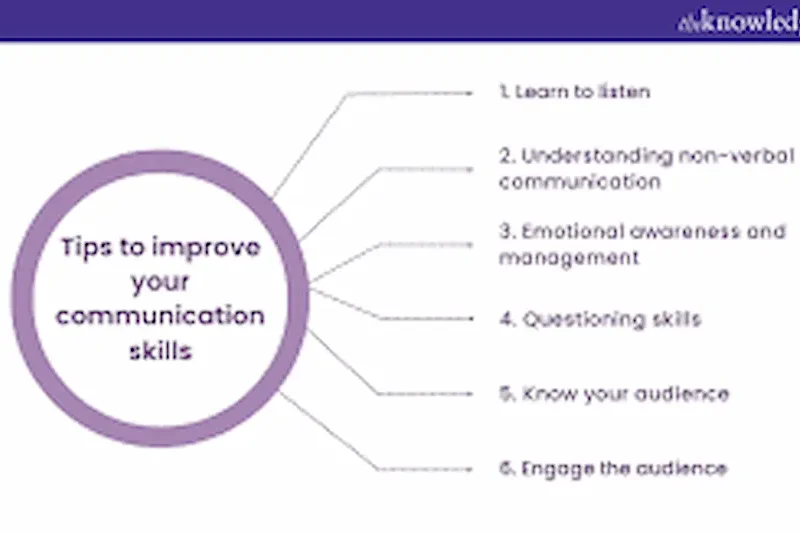
Improving social skills and building confidence takes time, but small daily efforts can bring big changes. Here are some detailed tips you can start practicing right away.
1. Practice Active Listening
Many people focus only on what they want to say next instead of truly listening. Active listening means giving your full attention, showing interest, and responding naturally.
- How to do it: Look at the speaker, nod occasionally, and repeat key points to show you understand.
- Example: If your friend says, “I had a stressful day at work,” you could reply, “That sounds tough. What happened?” This shows care and keeps the conversation engaging.
2. Use Positive Body Language
Your body language creates the first impression even before you speak.
- Tips to try:
- Keep your shoulders relaxed instead of crossed.
- Use hand gestures to add warmth when you talk.
- Smile genuinely—it makes you look approachable.
- Why it helps: People naturally feel more comfortable around confident and open body language.
3. Start with Small Conversations
Small talk may seem simple, but it’s the gateway to bigger conversations.
- Topics you can use: Weather, hobbies, recent news, or compliments.
- Example: At the office, say, “Your presentation was really clear—how long did you prepare for it?” This opens the door to a friendly exchange.
4. Step Out of Your Comfort Zone
Confidence grows when you push yourself a little beyond what feels safe.
- Ideas to try: Introduce yourself to someone new, volunteer for a group activity, or attend a social event even if you feel nervous.
- Why it helps: Each small step builds courage for the next one, and soon, socializing won’t feel as scary.
5. Improve Your Communication Skills
Being a good communicator isn’t just about words—it’s about clarity and tone.
- Tips to improve:
- Speak slowly and clearly.
- Use short sentences instead of long, confusing ones.
- Avoid filler words like “um” or “you know.”
- Practice idea: Record yourself speaking about your day for 1–2 minutes, then listen back to notice areas for improvement.
6. Build Self-Awareness
Knowing yourself better helps you manage how you interact with others.
- How to do it: Pay attention to your habits—do you avoid eye contact? Do you interrupt often?
- Action step: Write down one thing you want to improve weekly (like asking more questions) and practice it in daily conversations.
7. Practice Regularly
Social skills are just like a muscle—the more you use them, the stronger they get.
- Daily practice ideas:
- Greet neighbors when you see them.
- Ask cashiers, “How’s your day going?”
- Chat briefly with colleagues about non-work topics.
- These little interactions add up, making socializing feel natural.
8. Learn to Handle Rejection Gracefully
Not every conversation or friendship will work out—and that’s okay.
- Mindset tip: See rejection as redirection, not failure.
- Example: If someone doesn’t respond warmly, don’t overthink. Simply move on and remind yourself that one person’s reaction doesn’t define your worth.
9. Join Groups or Communities
Being part of a group gives you regular opportunities to socialize.
- Examples: Book clubs, fitness classes, online forums, or volunteer work.
- Benefit: You meet like-minded people, which makes conversations easier and less stressful because you already share a common interest.
10. Work on Your Self-Confidence Daily
Confidence starts from within, and small habits can strengthen it.
- Ways to build it:
- Dress in clothes that make you feel good.
- Stand tall with your shoulders back.
- Write or say positive affirmations daily, such as “I can handle new situations.”
- Why it works: When you feel good about yourself, others can sense it too, making your social presence stronger.
Advantages of Improving Social Skills and Confidence

Developing social skills and confidence doesn’t just help in conversations—it can transform the way you live, work, and connect with others. Here are the biggest advantages you’ll enjoy once you start improving in these areas:
1. Stronger and Deeper Relationships
Good communication builds trust. When you listen actively, use positive body language, and express yourself confidently, people naturally feel closer to you.
- Example: Instead of awkward silences at a party, you’ll feel comfortable starting a chat, which may lead to new friendships.
- Benefit: You’ll enjoy more meaningful connections with friends, family, and colleagues.
2. Better Career and Professional Growth
Social confidence is a huge asset in the workplace. Confident employees are more likely to share ideas, take leadership roles, and perform well under pressure.
- Example: In a job interview, confidence helps you answer questions clearly and make a strong impression.
- Benefit: More career opportunities, promotions, and respect from colleagues.
3. Higher Self-Esteem and Self-Worth
Confidence changes how you see yourself. The more comfortable you feel in social settings, the more you believe in your own abilities.
- Example: Giving a short presentation at work without feeling nervous can boost your sense of achievement.
- Benefit: You’ll start to trust yourself more, which reflects in everything you do.
4. Reduced Stress and Social Anxiety
For many people, social events bring nervousness or fear of judgment. With stronger skills, these situations become much easier.
- Example: Instead of overthinking every word in a conversation, you’ll feel relaxed and natural.
- Benefit: Less stress, more enjoyment in daily interactions.
5. Improved Communication Skills
When you practice social skills, you naturally learn to express yourself more clearly. This helps in avoiding misunderstandings and makes conversations smoother.
- Example: Explaining your point of view in a calm and confident tone during a disagreement.
- Benefit: Stronger problem-solving and better teamwork, both in personal and professional life.
6. More Life Opportunities
Confidence allows you to say “yes” to things you might have once avoided. You’ll be more willing to try new experiences and take risks.
- Example: Joining a public speaking club, applying for a dream job, or traveling alone.
- Benefit: A richer, more exciting life filled with new chances for growth. Tips for improving social skills and confidence
7. Positive First Impressions
People form opinions quickly, and your confidence makes a big difference in how you’re perceived.
- Example: Walking into a room with a smile and good posture makes people see you as friendly and capable.
- Benefit: Stronger networking, better relationships, and lasting impressions on everyone you meet.
8. Greater Emotional Resilience
When you’re socially confident, setbacks don’t feel as heavy. You learn to handle rejection, criticism, or misunderstandings without losing your self-belief. Tips for improving social skills and confidence
- Example: If someone doesn’t respond positively in a conversation, you won’t take it personally—you’ll simply move on.
- Benefit: Stronger mental health and the ability to bounce back quickly. Tips for improving social skills and confidence
9. Leadership and Influence
Confident people are often seen as leaders, even in casual settings. With strong social skills, others are more likely to listen, respect, and follow your guidance. Tips for improving social skills and confidence
- Example: Leading a group project or motivating your team at work.
- Benefit: You gain influence and the ability to inspire others. Tips for improving social skills and confidence
you may also like to red these posts;
Top AI Tools for Small Businesses to Grow Smarter
Affordable Smart Gadgets for Home Use That Save Time & Money
Using ChatGPT for Study: A Complete Step-by-Step Guide
Best Free Task Management Software to Boost Productivity
Mobile Apps to Improve Focus and Time Management Easily
Common Mistakes to Avoid When Improving Social Skills and Confidence
Improving your social skills and confidence is a journey, but sometimes mistakes can slow down your progress. By knowing what not to do, you’ll be able to avoid setbacks and grow faster. Here are the most common mistakes people make—and how you can fix them. Tips for improving social skills and confidence
1. Talking Too Much Without Listening
Some people believe that being “social” means speaking a lot, but in reality, listening is just as important. Tips for improving social skills and confidence
- Mistake: Interrupting or talking endlessly without letting others contribute. This can make people feel ignored. Tips for improving social skills and confidence
- Example: A friend shares their story, but instead of listening, you jump in with your own. Tips for improving social skills and confidence
- Fix: Practice active listening. Nod, ask follow-up questions, and let the other person finish before you respond.
2. Avoiding Eye Contact
Eye contact is a simple yet powerful sign of confidence. Without it, you may appear shy or disengaged. Tips for improving social skills and confidence
- Mistake: Looking down, at your phone, or around the room while talking. Tips for improving social skills and confidence
- Example: During a meeting, you avoid looking at your boss, which makes you seem unsure. Tips for improving social skills and confidence
- Fix: Practice natural eye contact—hold it for 3–5 seconds at a time, then glance away briefly. Tips for improving social skills and confidence
3. Overthinking Every Word
Trying to say the “perfect” thing can make you freeze and lose confidence. Tips for improving social skills and confidence
- Mistake: Replaying conversations in your head or worrying about mistakes. Tips for improving social skills and confidence
- Example: Thinking, “What if I sound boring?” before speaking, and ending up saying nothing. Tips for improving social skills and confidence
- Fix: Focus on the flow of the conversation. It’s better to be natural and imperfect than silent and anxious.
4. Comparing Yourself to Others
Confidence disappears when you measure yourself against people who seem more outgoing.
- Mistake: Believing you’re “not as good” as others socially.
- Example: Seeing a coworker speak confidently in a meeting and thinking, “I’ll never be like that.”
- Fix: Remember, everyone improves at their own pace. Compare yourself to your past self, not others.
5. Expecting Instant Results
Improvement doesn’t happen overnight. Impatience only creates frustration. Tips for improving social skills and confidence
- Mistake: Giving up after one awkward conversation or failed attempt. Tips for improving social skills and confidence
- Example: You try starting a chat once, it feels uncomfortable, and you quit. Tips for improving social skills and confidence
- Fix: Treat social growth like exercise—it takes practice. Celebrate small wins and stay consistent.
6. Using Negative Body Language
Your body often speaks louder than your words. Closed-off body language makes you seem nervous or uninterested.
- Mistake: Crossing your arms, frowning, or slouching. Tips for improving social skills and confidence
- Example: Sitting in a group with arms folded tightly and avoiding eye contact. Tips for improving social skills and confidence
- Fix: Keep an open posture, smile, and relax your shoulders. A confident stance instantly changes how people see you.
7. Avoiding Social Situations Completely
The biggest mistake is avoiding practice. Social skills can’t improve if you stay isolated. Tips for improving social skills and confidence
- Mistake: Skipping social events, staying silent in group discussions, or always saying “no” to invitations.
- Example: You avoid joining a group lunch at work because it feels uncomfortable. Tips for improving social skills and confidence
- Fix: Start small—say hello to a colleague, ask a classmate about their day, or join a group activity. Each step outside your comfort zone builds confidence. Tips for improving social skills and confidence
8. Ignoring Feedback or Self-Reflection
Without reflection, it’s harder to grow. Sometimes we repeat the same mistakes without realizing it. Tips for improving social skills and confidence
- Mistake: Never asking for feedback or reviewing your interactions. Tips for improving social skills and confidence
- Example: People seem disinterested when you talk, but you don’t stop to consider why. Tips for improving social skills and confidence
- Fix: Reflect after conversations—what went well? What can be improved? Even better, ask a trusted friend for honest feedback.
9. Faking Confidence Too Much
A little “fake it till you make it” can help, but overdoing it makes you seem inauthentic.
- Mistake: Pretending to know everything or forcing humor.
- Example: Constantly bragging in group talks to appear confident.
- Fix: Be authentic. It’s okay to admit when you don’t know something. Real confidence comes from honesty.
Can shy people really improve their social skills?
Yes, absolutely! Social skills are learned, not just natural. Even if you’re shy, practicing small conversations, joining groups, and building confidence step by step can make a big difference.
How long does it take to build confidence in social situations?
It depends on how often you practice. Some people notice improvements within weeks, while for others it may take a few months. The key is consistency—small daily efforts add up over time.
Do I need to be an extrovert to have good social skills?
Not at all. Both introverts and extroverts can develop strong social skills. Being social doesn’t mean being loud or outgoing—it’s about communicating clearly and connecting with people in your own way.
What if I make mistakes while talking to people?
Mistakes are normal! Everyone says the wrong thing sometimes or feels awkward. Instead of worrying, focus on learning from each experience. People usually remember how you made them feel, not small mistakes.
How can I practice if I don’t have many friends?
You can practice in everyday situations. Start with simple chats with neighbors, shopkeepers, or colleagues. You can also join clubs, classes, or online communities to meet new people.
Is body language really that important?
Yes, body language plays a big role in how confident and approachable you appear. Smiling, maintaining eye contact, and using open gestures can instantly improve how people respond to you.
What’s the fastest way to feel more confident in conversations?
One quick trick is to focus on the other person instead of yourself. Ask questions, listen carefully, and show genuine interest. This takes the pressure off you and makes conversations flow naturally.
Conclusion
Improving your social skills and confidence is not something that happens overnight—it’s a journey of small, consistent steps. By practicing active listening, using positive body language, and stepping out of your comfort zone, you’ll notice steady progress in how you connect with others.
Remember, everyone starts somewhere. Even the most confident people you see today were once nervous or shy. The difference is that they practiced, learned from mistakes, and kept moving forward.
With the right mindset, patience, and daily practice, you can build stronger relationships, feel more comfortable in social settings, and enjoy the confidence that comes from truly believing in yourself. Start small, stay consistent, and celebrate every bit of progress along the way—you’ll be amazed at how far you can go.


