


Tips to save money on monthly expenses are crucial for anyone who wants to take control of their finances and reduce unnecessary spending. Many people struggle with high monthly bills, from utilities and groceries to subscriptions and transportation costs. By applying simple and practical tips to save money on monthly expenses, you can make a significant difference in your budget without feeling deprived.
The key is to be aware of where your money goes and make small adjustments in daily habits. Whether it’s cutting down on eating out, reducing utility bills, or avoiding impulse purchases, these tips to save money on monthly expenses help you spend smarter and save more. Over time, these small changes add up, allowing you to build savings, reduce stress, and achieve your financial goals.
With the right strategies, anyone can manage their money effectively and enjoy a more financially secure lifestyle. In this article, we’ll share the most practical and easy-to-follow tips to save money on monthly expenses so you can start improving your finances today.
Track Your Spending
One of the most effective tips to save money on monthly expenses is to track your spending regularly. Many people don’t realize how much they spend each month because they don’t keep a close eye on their daily purchases. By tracking your expenses, you can understand exactly where your money is going and identify areas where you can cut costs.
Start by listing all your monthly expenses, including essentials such as rent or mortgage, groceries, utilities, and transportation, as well as non-essential spending like dining out, online shopping, entertainment, and subscriptions. You can use a budgeting app, a spreadsheet, or even a simple notebook to record everything. The key is consistency—track every expense, no matter how small, to get a clear picture of your spending habits.
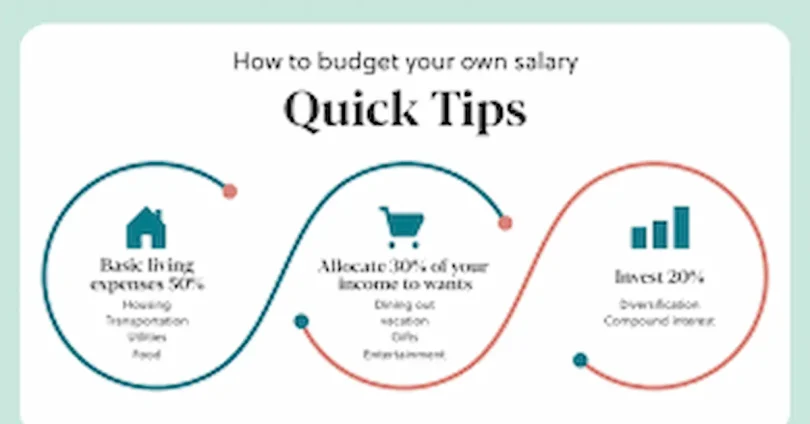
Once you have a record of your expenses, categorize them into three groups: essentials, non-essentials, and savings. This will help you see which areas are consuming most of your money. For instance, you might notice that frequent takeaway meals, multiple subscriptions, or unnecessary shopping are taking a bigger chunk of your budget than you expected.
Tracking your spending also allows you to set realistic monthly budgets for each category. By knowing exactly how much you spend on different areas, you can make informed decisions about where to cut back without sacrificing your quality of life. Over time, this habit not only helps reduce unnecessary expenses but also makes applying other tips to save money on monthly expenses much easier and more effective.
Remember, the goal isn’t just to limit spending but to spend wisely. Small changes, like noticing patterns in your daily purchases, can lead to significant savings over months and even years. By consistently tracking your spending, you take the first and most important step toward financial control and stability.
Reduce Utility Bills
1. Save on Electricity
One of the simplest ways to reduce your monthly expenses is by lowering your electricity usage. Turn off lights and unplug electronic devices when not in use. Use energy-efficient appliances and LED bulbs to reduce energy consumption. Small habits, like closing doors while the air conditioner is running or using natural light during the day, can make a noticeable difference in your electricity bill.
2. Save on Water
Water bills can add up if not managed carefully. Fix leaks immediately, take shorter showers, and avoid leaving taps running unnecessarily. You can also adopt simple habits like using a bucket to wash your car or collecting rainwater for gardening. These small changes help reduce water wastage and lower your monthly costs.
3. Save on Gas and Heating
Gas and heating are other areas where savings are possible. Cook in batches to save energy, ensure your heating system is well-maintained, and use timers or thermostats to avoid unnecessary usage. Efficient management of gas and heating can significantly cut down your monthly utility bills.
4. Optimize Internet and Cable Services
Even internet and cable subscriptions can impact your monthly expenses. Compare different plans, choose packages that match your actual needs, and avoid paying for extra services you rarely use.
Cook at Home More Often

1. Save Money on Food
One of the most effective tips to save money on monthly expenses is to cook at home instead of eating out. Dining at restaurants or ordering takeout frequently can quickly drain your budget. Preparing meals at home is not only cheaper but also healthier, giving you full control over ingredients and portions.
2. Plan Your Meals
Meal planning can help you save both time and money. Create a weekly meal plan and make a shopping list based on the ingredients you need. This prevents unnecessary purchases and reduces food waste. By planning ahead, you can also buy groceries in bulk for staples like rice, pasta, and vegetables, which are more cost-effective.
3. Cook in Batches
Cooking in larger quantities and storing meals for later is another smart way to save. You can prepare lunches or dinners in advance, so you don’t rely on expensive convenience foods. Batch cooking not only reduces costs but also makes your weekly routine more organized.
4. Use Leftovers Wisely
Instead of throwing away leftovers, get creative and turn them into new meals. Leftover vegetables can be used in soups or stir-fries, and leftover meats can be added to sandwiches or salads. Using leftovers effectively is a small but powerful way to cut down your monthly food expenses.
- By cooking at home more often and following these strategies, you can make a big difference in your budget while still enjoying delicious meals. This is one of the easiest and most practical tips to save money on monthly expenses for anyone looking to improve their financial health.
you may also like to read these posts;
Affordable Smart Gadgets for Home Use That Save Time & Money
Using ChatGPT for Study: A Complete Step-by-Step Guide
Best Free Task Management Software to Boost Productivity
Mobile Apps to Improve Focus and Time Management Easily
Best Home Workout Apps for Beginners to Start Today
Avoid Impulse Buying
1. Stick to a Shopping List
One of the most effective tips to save money on monthly expenses is to avoid impulse purchases. Before heading to the store or shopping online, create a detailed shopping list of what you really need. Sticking to this list ensures that you only buy essential items, reducing unnecessary spending. Over time, this habit can save a significant amount of money each month.
2. Use the 24-Hour Rule
Impulse buying often happens when you make decisions in the heat of the moment. To prevent this, practice the “24-hour rule.” If you see something you want but it’s not a necessity, wait at least 24 hours before purchasing it. This pause gives you time to evaluate whether the item is truly important or just an impulse. Often, you’ll find that the urge passes, and you can skip the purchase entirely.
3. Avoid Unplanned Online Shopping
Online shopping can be convenient, but it’s also a common cause of overspending. To save money, limit casual browsing of online stores and unsubscribe from marketing emails that encourage impulse buying. Remove saved payment information to make purchases less automatic, and only buy items that are necessary and fit your budget.
4. Focus on Needs vs. Wants
A key step in managing monthly expenses is distinguishing between needs and wants. Needs include essentials like groceries, rent, and bills, while wants are non-essential items like luxury gadgets, clothing, or entertainment splurges. By prioritizing needs and delaying or avoiding unnecessary wants, you can better manage your finances and save more each month.
5. Track Your Savings from Avoiding Impulses
Keeping track of how much you save by avoiding impulse purchases can motivate you to continue this habit. Even small amounts saved regularly add up over time and can be redirected toward important goals like building an emergency fund or paying off debt.
Use Discounts and Cashback Offers
1. Take Advantage of Discounts
One of the most effective tips to save money on monthly expenses is to shop smart by using discounts, deals, and promotional offers. Before making any purchase, always check if there are available discounts, coupon codes, or seasonal sales. Even small discounts on everyday items like groceries, clothing, or household essentials can quickly add up over the month, helping you save significantly without changing your lifestyle.
2. Use Cashback Programs
Cashback programs are an easy and practical way to save while buying things you need. Many banks, apps, and online stores offer cashback on selected items or categories. By planning your purchases around these programs, you can earn back a small percentage of what you spend, which directly reduces your monthly expenses. Over time, these savings can accumulate and be used for important financial goals, like paying off debt or adding to a savings account.
3. Sign Up for Loyalty Programs
Loyalty programs are another great way to save money consistently. Many supermarkets, online stores, and service providers offer points, discounts, or exclusive offers to regular customers. By signing up, you can get rewards on items you already buy, which can be redeemed for discounts or free products. This is an easy way to reduce your overall monthly expenses without extra effort.
4. Plan Purchases Around Sales Events
Timing your purchases strategically can lead to big savings. Sales events like Black Friday, end-of-season clearances, holiday promotions, and store anniversary sales often have significant discounts. Plan your non-urgent purchases around these events to maximize savings and avoid paying full price unnecessarily.
5. Compare Prices Before Buying
Another important strategy is to always compare prices before making a purchase. Use online tools, apps, or simply check multiple stores to ensure you’re getting the best deal. Price comparison prevents overspending and ensures that every purchase is cost-effective.
6. Combine Offers for Maximum Savings
Where possible, combine multiple savings strategies. For example, use a coupon code during a sale and pay through a cashback-enabled app or credit card. Combining offers can significantly reduce the cost of purchases and is one of the smartest ways to apply tips to save money on monthly expenses.
- By using discounts, cashback programs, loyalty rewards, and smart shopping strategies, you can reduce your monthly expenses substantially. These methods allow you to save consistently without sacrificing the things you need or enjoy. Over time, this approach can make a noticeable difference in your overall financial health.
Limit Subscriptions
1. Review All Your Subscriptions Regularly
One of the simplest yet most effective tips to save money on monthly expenses is to take a close look at all the subscriptions you pay for. Many people continue paying for streaming services, apps, magazines, cloud storage, or memberships without realizing how little they use them. By reviewing your subscriptions regularly, you can pinpoint services that are unnecessary or redundant and take action to cancel them.
2. Cancel Unused or Rarely Used Services
Even small monthly fees can add up to a significant amount over a year. If you notice a subscription you haven’t used in weeks or months, cancel it immediately. This could include apps you downloaded once, premium software you barely use, or extra streaming services. Eliminating these unnecessary costs is a simple and practical way to implement tips to save money on monthly expenses without feeling deprived.
3. Share Subscriptions When Possible
Many subscriptions, such as streaming platforms, software, or cloud storage, allow multiple users under one account. Sharing these services with family members or friends is a smart strategy to cut costs. This way, everyone benefits from the service while splitting the monthly or annual fee, making it more affordable. Tips to save money on monthly expenses
4. Opt for Annual Plans Carefully
Some subscription services offer discounts if you pay annually instead of monthly. If you are confident you will use the service consistently, switching to an annual plan can save money over time. However, be cautious—committing to annual plans for services you rarely use can backfire and lead to unnecessary spending. Tips to save money on monthly expenses
5. Set Reminders for Renewal Dates
Automatic renewals can make it easy to forget about subscriptions you no longer need. Set reminders for renewal dates so you can evaluate whether to continue or cancel the service. This ensures you’re only paying for subscriptions that add value to your life and helps you avoid wasting money. Tips to save money on monthly expenses
6. Consolidate and Simplify
Where possible, consolidate multiple subscriptions into fewer services. For example, if you subscribe to several music or video platforms, see if a single platform can meet all your needs. Simplifying subscriptions makes budgeting easier and reduces the overall monthly expense.
7. Track Your Savings from Cancelling Subscriptions
Keeping track of how much you save each month by limiting subscriptions can be motivating. Seeing the total amount saved encourages you to stay mindful of recurring expenses and reinforces the habit of regularly reviewing subscriptions.
- By actively managing and limiting subscriptions, you can significantly reduce your monthly expenses. This approach not only frees up money for savings but also encourages smarter spending habits, making it one of the most practical tips to save money on monthly expenses.
Save on Transportation

1. Use Public Transport or Carpool
One of the most effective tips to save money on monthly expenses is to reduce the cost of commuting. Using public transportation instead of driving your own car can save money on fuel, parking fees, and vehicle maintenance. Carpooling with colleagues, friends, or neighbors is another excellent option, as sharing travel costs helps everyone save. Over time, these small reductions in commuting expenses can significantly impact your monthly budget. Tips to save money on monthly expenses
2. Walk or Cycle for Short Distances
For short trips, consider walking or cycling instead of using a vehicle. Not only does this save money on fuel, parking, and maintenance, but it also improves your health and reduces stress. Replacing even a few short car trips per week with walking or cycling can result in noticeable savings over the month. Tips to save money on monthly expenses
3. Plan Your Trips Efficiently
Efficient trip planning is a simple way to save on transportation costs. Combine multiple errands into a single trip, plan your route to avoid unnecessary backtracking, and try to travel during non-peak hours to reduce fuel consumption. By being strategic with your daily travel, you can cut down on fuel usage and save time as well. Tips to save money on monthly expenses
4. Maintain Your Vehicle Regularly
Proper vehicle maintenance not only ensures safety but also saves money. Regular oil changes, tire checks, brake inspections, and engine servicing help your car run efficiently and prevent costly repairs. A well-maintained vehicle consumes less fuel and reduces the chances of unexpected expenses that can strain your monthly budget. Tips to save money on monthly expenses
5. Choose Fuel-Efficient or Eco-Friendly Vehicles
If you drive regularly, investing in a fuel-efficient, hybrid, or electric vehicle can save money over the long term. Even small habits like keeping tires properly inflated, reducing excessive idling, and avoiding rapid acceleration can improve fuel efficiency and lower monthly transportation costs. Tips to save money on monthly expenses
6. Use Ride-Sharing Services Wisely
Ride-sharing apps are convenient but can be expensive if used frequently. To save, reserve these services for times when public transport isn’t practical, and consider sharing rides with friends or colleagues. Combining ride-sharing with other cost-saving measures maximizes your transportation savings. Tips to save money on monthly expenses
7. Track Your Transportation Costs
Keep a record of all your transportation-related expenses each month. Monitoring spending on fuel, public transport, parking, and maintenance helps identify areas where you can cut back. This is an actionable way to implement tips to save money on monthly expenses and ensures that you’re making the most cost-effective choices for your daily travel. Tips to save money on monthly expenses
Automate Savings
1. Set Up Automatic Transfers
One of the most effective tips to save money on monthly expenses is to automate your savings. By scheduling automatic transfers from your checking account to a savings account each month, you make saving effortless. This ensures a portion of your income is consistently set aside before you even have a chance to spend it. Treat your savings like a mandatory monthly bill—this mindset helps prioritize saving over unnecessary spending. Tips to save money on monthly expenses
2. Start Small and Increase Gradually
If saving a large amount feels overwhelming, start with a small, manageable sum. Even saving $20–$50 a month can add up over time. Once you’re comfortable, gradually increase the amount as your budget allows. This incremental approach helps you build a strong savings habit without feeling financially strained. Tips to save money on monthly expenses
3. Use Separate Savings Accounts
Keeping your savings separate from your main account reduces the temptation to spend it. Many banks offer specialized accounts for emergency funds, short-term goals, or long-term savings. By creating dedicated accounts for different goals, you can better track your progress and stay motivated to reach each target. Tips to save money on monthly expenses
4. Take Advantage of Automatic Investment Plans
Many financial institutions provide automated investment plans that deduct a fixed amount regularly and invest it in mutual funds, stocks, or other instruments. This not only grows your savings but also potentially provides higher returns than a regular savings account. Automated investing allows your money to work for you while you focus on your daily life.
5. Set Clear Financial Goals
Automated savings work best when paired with clear financial goals. Decide whether your priority is building an emergency fund, saving for a vacation, or investing for retirement. Having defined goals gives purpose to your savings and encourages consistency in following your plan. Tips to save money on monthly expenses
6. Track Your Savings Progress
Regularly monitoring your savings helps you stay motivated. Many banking apps provide visual dashboards showing how much you’ve saved and how close you are to your goals. Tracking progress reinforces good habits and allows you to make adjustments if needed. Tips to save money on monthly expenses
7. Combine Automation with Budgeting
Pair automated savings with your monthly budget for maximum impact. Allocate a fixed portion of your income to savings first, then plan your remaining budget for essentials and discretionary spending. This strategy ensures you prioritize saving while controlling your expenses, making it one of the most practical tips to save money on monthly expenses. Tips to save money on monthly expenses
8. Reward Yourself for Milestones
To stay motivated, set small milestones and reward yourself when you reach them. For example, after saving a certain amount, treat yourself to a low-cost reward. Celebrating progress helps reinforce the habit of saving consistently and makes it more enjoyable. Tips to save money on monthly expenses
How can I track my monthly expenses effectively?
You can track your expenses using budgeting apps, spreadsheets, or even a simple notebook. Categorize your spending into essentials, non-essentials, and savings. Tracking helps you identify where your money goes and shows areas where you can cut costs.
What are the easiest ways to reduce utility bills?
Simple habits like turning off lights and unplugging devices, fixing leaks, taking shorter showers, and using energy-efficient appliances can reduce electricity, water, and gas bills significantly. Small adjustments repeated consistently make a big difference over time.
Can small savings really add up?
Yes! Even saving small amounts each month can accumulate into a significant sum over a year. Consistency is key—automating savings and avoiding unnecessary expenses ensures that small amounts grow into meaningful financial security.
How do I avoid impulse buying?
Stick to a shopping list, use the “24-hour rule” before purchasing non-essential items, and distinguish between needs and wants. Avoid browsing shopping apps or stores without a plan to prevent unplanned purchases.
Are discounts and cashback really worth it?
Absolutely! Using discounts, coupons, cashback apps, and loyalty programs can reduce your spending without compromising on essentials. Over time, these small savings add up and help you manage your monthly expenses better.
Conclusion
Managing your finances doesn’t have to be complicated or restrictive. By following these practical tips to save money on monthly expenses, you can take control of your budget, reduce unnecessary spending, and build a healthier financial future. Small changes, like tracking your spending, reducing utility bills, cooking at home, avoiding impulse purchases, and using discounts or cashback offers, can add up to significant savings over time.
Automating your savings, limiting subscriptions, saving on transportation, and practicing smart shopping are simple strategies that make saving easier and more consistent. The key is to start with small, manageable steps and stay consistent.
Remember, saving money is not about cutting out all enjoyment—it’s about making smarter choices and prioritizing what truly matters. By implementing these tips, you can free up money for important goals, reduce financial stress, and gradually achieve greater financial stability and freedom.
Take action today, start applying these strategies, and watch your monthly expenses shrink while your savings grow.


